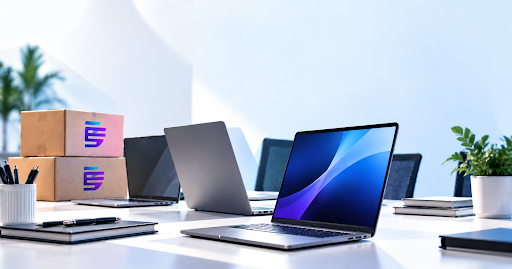
Managing workplace technology is rarely as simple as purchasing laptops and distributing them to employees.
Enterprises and government organisations must consider how technology is financed, which hardware and software employees need, how devices are secured and supported, when they should be refreshed, and what happens when they reach the end of their useful lifecycle.
When these responsibilities are managed by different vendors and internal teams, technology management can quickly become fragmented.
The DaaS 360 7-in-1 model brings seven essential areas of workplace technology together within one integrated Device-as-a-Service approach.
The objective is straightforward: simplify technology management so organisations can focus less on coordinating individual IT requirements and more on improving performance, continuity and digital transformation.
What Is the DaaS 360 7-in-1 Model?
DaaS 360 is positioned as a comprehensive, AI-driven Device-as-a-Service solution built around seven connected technology capabilities.
These are Technology Financing, Hardware & Software Supply, Device Lifecycle Management, Carbon Neutral Computing, Security, IT Managed Services and Device Recovery.
Each capability addresses a different stage or requirement within the workplace technology environment.
The value of the model, however, is not simply having seven services available. It comes from connecting them so that technology acquisition, management, security, support and recovery can be planned as part of one broader lifecycle.
For organisations managing large device environments, this can reduce the need to coordinate multiple suppliers for different parts of the same technology requirement.
1. Technology Financing: Access Technology More Flexibly
Technology requirements can change faster than annual capital budgets.
An organisation may need hundreds of new devices for workforce expansion, a new location or a technology refresh programme. Purchasing everything upfront can require significant capital and create pressure on cash-flow planning.
Technology Financing provides an alternative by allowing organisations to structure technology expenditure through financing, leasing, rental or subscription arrangements.
DaaS 360’s TechFin approach is designed to combine technology requirements with more predictable payment structures, helping organisations align their IT investments with operational needs rather than treating every technology requirement as a separate capital purchase.
For finance and procurement teams, the benefit is greater visibility over how technology expenditure is planned across the lifecycle.
2. Hardware & Software Supply: Equip Employees with the Right Technology
Financing technology only works when the organisation also has access to the right devices and software.
Different employees may require very different specifications. A general office user, designer, engineer, analyst and senior executive may not need the same device configuration.
The Hardware & Software Supply component helps organisations align workplace technology with actual user requirements.
This can include business laptops, desktops and suitable productivity software configured around the organisation’s operating environment.
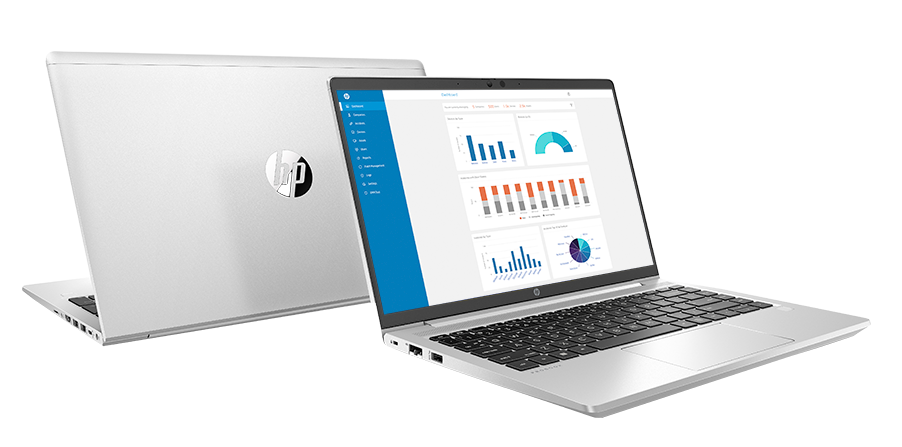
DaaS 360 works with technology principals including HP, Microsoft, Lenovo and Intel, allowing organisations to connect hardware and software requirements within a broader technology strategy.
Instead of purchasing equipment first and determining how it fits into the IT environment later, organisations can plan the technology around how employees actually work.
3. Device Lifecycle Management: Manage Technology Beyond Deployment
Deploying a device is only the beginning of its operational life.
Once employees begin using laptops and desktops, IT teams need visibility over device condition, performance, utilisation, incidents and future replacement requirements.
DaaS 360’s wider lifecycle approach connects these responsibilities throughout the period in which the device remains in use.
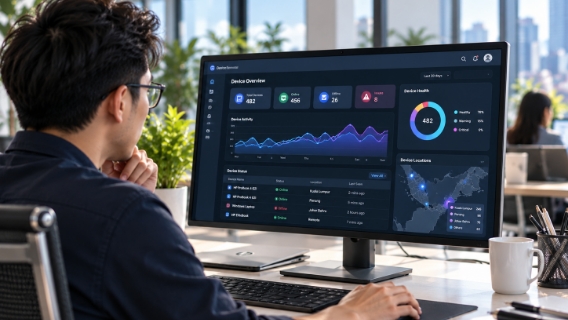
Proactive and analytical capabilities can provide information relating to inventory, incidents, performance and device security. This allows organisations to move away from purely reactive device management and make better-informed decisions about their technology environment.
For enterprises managing hundreds or thousands of endpoints, better visibility can also support more structured refresh planning and reduce unnecessary manual administration.

4. Carbon Neutral Computing: Connect Technology with ESG Objectives
Technology decisions increasingly need to support more than operational performance.
Enterprises and public-sector organisations may also need to consider environmental impact, sustainability reporting and wider Environmental, Social and Governance objectives.
Carbon Neutral Computing brings this consideration into the technology lifecycle.
Rather than treating sustainability as a separate initiative after technology has already been purchased, organisations can consider environmental factors when choosing, using and eventually retiring workplace devices.
DaaS 360’s sustainability solutions form part of its wider approach to device lifecycle management and responsible technology use.
This allows IT strategy and ESG planning to become more closely connected.
5. Security: Protect Devices, Users and Business Information
Every workplace device creates another point through which employees access organisational information.
As device environments grow and employees work across different locations, security therefore needs to remain part of technology management throughout the lifecycle.
A comprehensive DaaS model can help organisations connect device security with the way their technology is deployed, monitored and supported.
DaaS 360’s technology ecosystem includes security capabilities and technology partnerships that support device protection, secure productivity and proactive monitoring. Its remote management services can also support essential updates and remediation across distributed device environments.
For enterprises and government organisations, the objective is not simply to secure a laptop when it is issued. Security needs to remain an ongoing part of how the device is managed.
6. IT Managed Services: Reduce the Operational Burden on Internal Teams
Modern IT teams are responsible for much more than endpoint devices.
Cybersecurity, cloud infrastructure, software, data, business applications and digital transformation initiatives all compete for internal IT resources.
Routine device administration can consume time that could otherwise support more strategic priorities.
IT Managed Services provide organisations with additional support for managing and monitoring technology environments.
DaaS 360’s Remote Managed Service is designed to support devices remotely, provide preventive maintenance and help organisations reduce downtime across distributed workforces.
For organisations operating across several buildings, branches or locations, this provides a more scalable alternative to relying entirely on physical deskside support.
7. Device Recovery: Complete the Technology Lifecycle
Technology management does not end when an employee stops using a device.
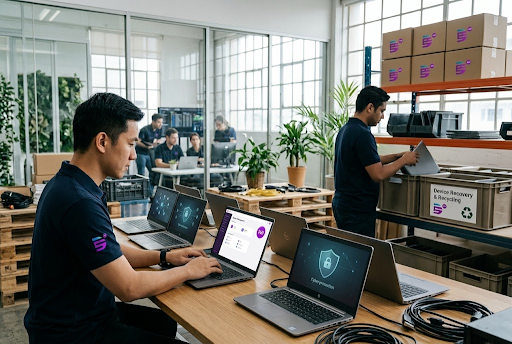
Retired laptops and desktops may still contain sensitive organisational information, have residual value or remain suitable for reuse and refurbishment.
Device Recovery creates a structured process for managing what happens next.
DaaS 360’s recovery approach supports the responsible retirement and repurposing of technology, connecting end-of-use devices with data security, reuse, refurbishment and responsible disposal considerations.
This closes the lifecycle instead of leaving obsolete devices in storage or handling them through an unrelated disposal process.
Why Does an Integrated Model Matter?
The challenge for large organisations is often not the availability of individual technology services.
It is the number of handovers required between them.
Finance may approve the budget. Procurement purchases the devices. Another supplier provides software. Internal IT manages deployment and support. Security teams manage compliance. A separate vendor may eventually handle retired equipment.
Each handover creates another process to manage.
The DaaS 360 7-in-1 model is designed to reduce this fragmentation by bringing technology requirements into one connected environment.
This creates clearer accountability and allows organisations to consider the complete lifecycle when making technology decisions.
Where Does AI Fit into the DaaS 360 Model?
AI-driven technology management is particularly relevant when organisations manage large numbers of workplace devices.
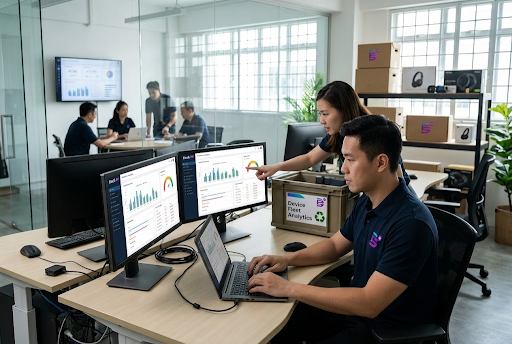
Instead of relying only on users to report problems after they occur, analytical platforms can monitor device information and identify patterns relating to health, performance and utilisation.
DaaS 360 already works with proactive analytics technologies that provide device insights, while Lenovo Device Intelligence is described on the DaaS 360 website as an AI-driven SaaS solution using predictive analytics for fleet performance.
Within the wider 7-in-1 positioning, these capabilities can support more informed lifecycle decisions and help organisations move towards proactive rather than purely reactive IT management.
Is the 7-in-1 Model Right for Your Organisation?
Not every organisation has the same technology environment.
The important question is whether managing different IT requirements separately is creating unnecessary complexity.
An organisation may benefit from a more integrated approach if it manages a large device fleet, operates across several locations, regularly refreshes technology, requires consistent security and IT support, or needs a clearer process for managing assets from acquisition through recovery.
The model can also be relevant when procurement, finance, IT and sustainability teams need greater alignment around technology decisions.
Instead of asking only, “Which devices should we buy?”, organisations can consider a wider question:
How should we manage technology from investment through to recovery?
Frequently Asked Questions
Does the DaaS 360 7-in-1 model only cover laptops?
No. The model is designed around the wider workplace technology lifecycle. Hardware can form part of the solution, but the wider approach also covers financing, software, lifecycle management, security, managed services, sustainability and recovery.
Is DaaS 360 only suitable for large enterprises?
The model can support different organisational requirements, although its integrated lifecycle approach is particularly relevant to enterprises and government organisations managing larger or more complex technology environments.
How can the model reduce IT workload?
By connecting lifecycle management and managed services with the technology environment, organisations can shift selected operational responsibilities away from internal teams and create more consistent processes for device monitoring, support and recovery.
Does one organisation need to use every capability in exactly the same way?
No. Technology requirements differ between organisations. The purpose of the model is to provide a connected framework that can be aligned with the organisation’s workforce, IT environment, security requirements and lifecycle strategy.
How does the model support business continuity?
Proactive device management, security, remote IT support and planned lifecycle management can help organisations identify issues earlier, respond more consistently and reduce disruption caused by unmanaged technology problems.
One Technology Ecosystem for the Complete Lifecycle
Technology should not become harder to manage simply because an organisation is growing.
The DaaS 360 7-in-1 model brings Technology Financing, Hardware & Software Supply, Device Lifecycle Management, Carbon Neutral Computing, Security, IT Managed Services and Device Recovery into one integrated technology ecosystem.
For enterprises and government organisations, this creates a clearer way to manage workplace technology while supporting cost control, operational efficiency, security, ESG objectives and business continuity.
Explore DaaS 360 and speak with our team about building an integrated Device-as-a-Service solution around your organisation’s technology requirements.
Tech Simplified. Business Optimised.