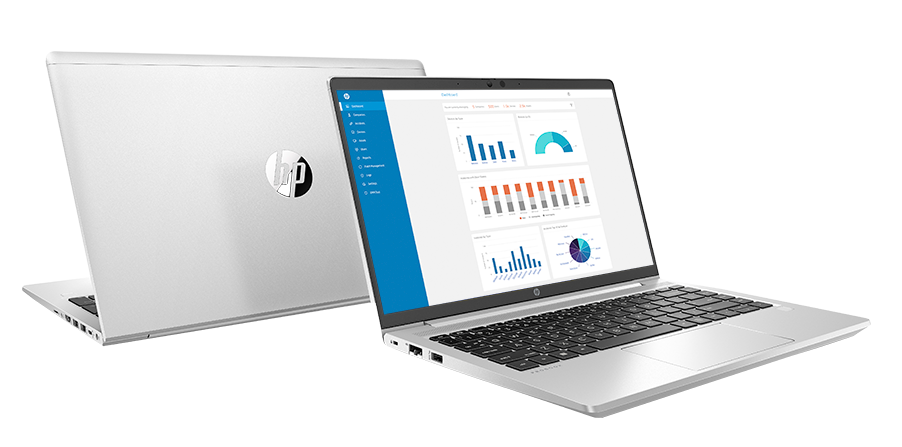
A refurbished laptop can look excellent on paper.
The processor meets your requirements, the memory is sufficient and the price is attractive.
For a business purchasing ten, fifty or several hundred units, however, choosing refurbished technology involves a bigger question:
Can the supplier deliver consistent, reliable devices that your organisation can confidently deploy across its workforce?
That is why selecting the right refurbished laptop supplier in Malaysia is just as important as selecting the device itself.
For business buyers, the decision should go beyond price and appearance. The supplier’s refurbishment process, testing standards, warranty, technical support and ability to manage devices across their lifecycle all matter.
Refurbished Does Not Simply Mean Used
A used laptop is generally sold in the condition left by its previous owner.
A properly refurbished laptop should go through a more structured process before it returns to use.
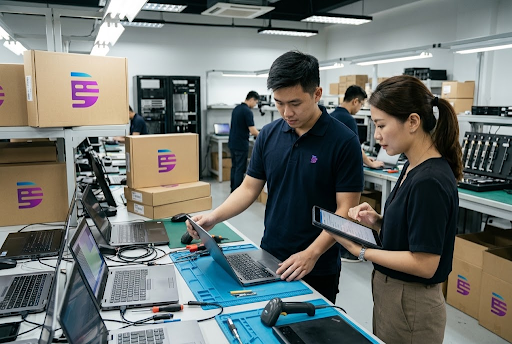
DaaS 360’s refurbished-device information explains that professionally refurbished devices are inspected, tested, repaired where necessary, cleaned and restored before being supplied again. Its current refurbishment process also includes testing areas such as keyboard response, connectivity, system stability, performance, heat and noise.
This distinction is important for business procurement.
When organisations purchase devices for employees, they need greater confidence that each unit has been assessed rather than simply resold.
1. Ask How the Devices Are Tested
The first question for any supplier should be simple:
What does your refurbishment process actually involve?
A statement such as “fully tested” is not enough on its own.
The supplier should be able to explain how it assesses important hardware functions before a device is approved for resale.
This may include the keyboard, display, ports, Wi-Fi, Bluetooth, storage, memory, thermal behaviour and general system stability.
DaaS 360’s existing refurbishment process describes diagnostic testing across several of these areas before faulty components are repaired or replaced.
For a business buyer, documented testing provides greater confidence that the devices have passed a repeatable process rather than relying on a basic power-on inspection.
2. Check Whether Specifications Are Consistent Across the Fleet
Buying one refurbished laptop is very different from purchasing a fleet.
A company may need 50 devices with the same processor generation, memory capacity, storage configuration and operating environment.
If every device arrives with a different specification, deployment and ongoing support become more complicated.
This is why organisations should ask whether the supplier can provide consistent configurations across the required quantity.
Specification consistency makes it easier for IT teams to prepare standard software images, maintain compatibility and provide support across the workforce.
For larger deployments, the supplier’s ability to source and prepare devices at scale may therefore be more important than finding the lowest price for an individual unit.
3. Understand the Condition and Grading Standard
The word “refurbished” does not automatically tell a buyer what the device will look like.
Two laptops may function equally well while having very different cosmetic conditions.
Businesses should therefore understand how the supplier grades devices and what level of cosmetic wear is acceptable within each category.
The grading process should be clear enough that procurement teams know what employees will receive before placing a larger order.
This is particularly important for customer-facing employees, senior management or roles where the physical condition of the device contributes to the organisation’s professional image.
A reliable supplier should set expectations before delivery rather than leaving device condition open to interpretation.
4. Review the Warranty Before Comparing Prices
A low purchase price can become less attractive if the organisation has no protection when a device fails.
Warranty coverage is therefore one of the most important differences between a professionally refurbished device and an informal second-hand purchase.
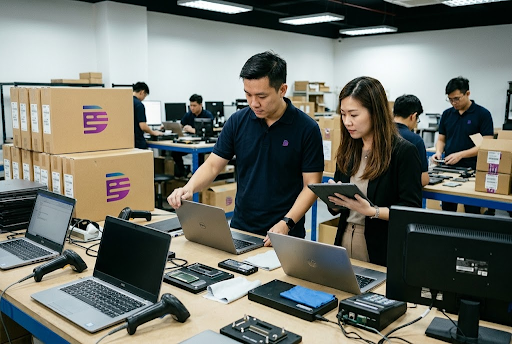
DaaS 360’s refurbished-device information notes that professionally refurbished equipment commonly comes with warranty protection and local support, giving customers a clearer route for resolving hardware problems after purchase.
Businesses should confirm the warranty duration, what components are covered, how claims are handled and how quickly the supplier can respond.
The organisation should also understand whether faulty equipment will be repaired, replaced or returned for assessment.
For employees, the quality of this process directly affects downtime.
5. Consider Support After the Devices Are Delivered
Procurement does not end when the laptops arrive.
Once employees begin using them, IT teams may need assistance with hardware problems, replacements, upgrades or changes in device requirements.
A supplier that can provide ongoing support may offer more operational value than one that only delivers the equipment.
This is especially important when an organisation has limited internal IT resources or employees across multiple locations.
DaaS 360’s broader technology model includes remote managed services and proactive device management alongside its hardware solutions, reflecting a lifecycle approach rather than treating device supply as an isolated transaction.
For business buyers, the question should therefore be:
What happens after deployment if something goes wrong?
6. Ask Where the Refurbished Devices Come From
The source of the equipment can also provide useful context.
A part of DaaS 360’s refurbished inventory is connected to its wider device recovery and buy-back approach, where used technology can be recovered and given another useful lifecycle.
For corporate procurement teams, understanding provenance can provide greater confidence in how devices enter the refurbishment process.
It can also help organisations distinguish professional refurbishment programmes from informal second-hand sourcing where the condition and history of devices may be more difficult to determine.
7. Consider Data Security and the Previous Device Lifecycle
A refurbished laptop has had a previous life.
For business use, that makes data handling an important question.
Buyers should ask what process is used to prepare previously deployed devices before they are supplied again and how old organisational data is managed during recovery.
DaaS 360’s wider Device Recovery Service includes secure processes for retiring and repurposing workplace technology, connecting data security with the end-of-use stage of the device lifecycle.
Organisations handling sensitive information should make data preparation and security part of their supplier assessment rather than assuming that resetting a device is sufficient.
8. Evaluate Whether the Supplier Can Scale with Your Organisation
A supplier may be able to provide ten devices today.
Can it support another 50 when the organisation expands?
Business technology requirements rarely remain static. New employees, offices, projects and hardware refreshes can all change device demand.
A supplier that understands fleet requirements can provide greater consistency as the organisation grows.
This includes the ability to provide suitable quantities, standardise configurations, coordinate replacements and help the organisation plan future technology requirements.
For larger enterprises and government organisations, scalability and continuity of supply can be just as important as the cost of each individual device.
9. Look Beyond the Purchase Price
The cheapest refurbished laptop is not automatically the best-value device.
Business buyers should consider what is included around the hardware.
A slightly higher purchase price may provide professional testing, warranty protection, technical support and a clearer replacement process.
A cheaper device without those services may create additional internal work if faults occur.
The better question is therefore not:
Which supplier has the cheapest laptop?
It is:
Which supplier gives our organisation the lowest level of risk across the useful life of the device?
This shifts the procurement decision from price alone towards reliability, support and operational continuity.
How Do Refurbished Devices Support a Circular Technology Strategy?
Refurbished technology can also play a role in extending the useful life of existing IT assets.
Instead of treating every recovered device as waste, suitable equipment can be tested, repaired and returned to productive use.
DaaS 360’s device recovery and refurbishment activities reflect this connection between asset recovery and reuse. Its website positions refurbishment as one way of extending device value while reducing unnecessary electronic waste.
For organisations with ESG objectives, this provides another way to connect procurement decisions with wider sustainability goals.
The environmental benefit, however, should not replace the operational requirements of the business.
Devices still need to meet performance, reliability, security and support expectations.
Frequently Asked Questions
Is a refurbished laptop the same as a second-hand laptop?
Not necessarily. A professionally refurbished laptop should undergo inspection, testing and any necessary repairs before it is supplied again. A conventional used laptop may be sold without the same structured refurbishment process.
What should a business check before buying refurbished laptops?
Businesses should review the device specifications, refurbishment and testing process, cosmetic grading, warranty, technical support, supplier capacity and how the equipment has been prepared for reuse.
Should refurbished laptops come with a warranty?
A reputable professional supplier should provide clear warranty terms. The duration and coverage vary, so buyers should confirm exactly what is included before purchasing.
Are refurbished laptops suitable for enterprise use?
They can be, provided the devices meet the required performance and security specifications and the supplier can deliver consistent quality, quantities, warranty protection and support.
Can refurbished laptops support ESG objectives?
Extending the useful life of suitable technology can reduce premature disposal and support circular-economy principles. Organisations should still ensure that the devices meet their operational and security requirements.
Choose the Supplier, Not Just the Laptop
For business procurement, refurbished technology should never be treated as a simple search for the cheapest second-hand device.
The quality of the supplier determines how confidently those devices can be introduced into the organisation.
Testing standards, specification consistency, warranty protection, technical support, data handling and lifecycle capabilities all contribute to the final value of the purchase.
DaaS 360 combines refurbished technology with a broader approach to Device-as-a-Service, lifecycle management, IT support, device recovery and sustainable technology use.
This allows organisations to consider refurbished laptops as part of a wider technology strategy rather than as an isolated cost-saving purchase.
Looking for a refurbished laptop supplier in Malaysia for your organisation? Speak with DaaS 360 about device requirements, quantities, lifecycle support and the right technology approach for your workforce.
Tech Simplified. Business Optimised.